

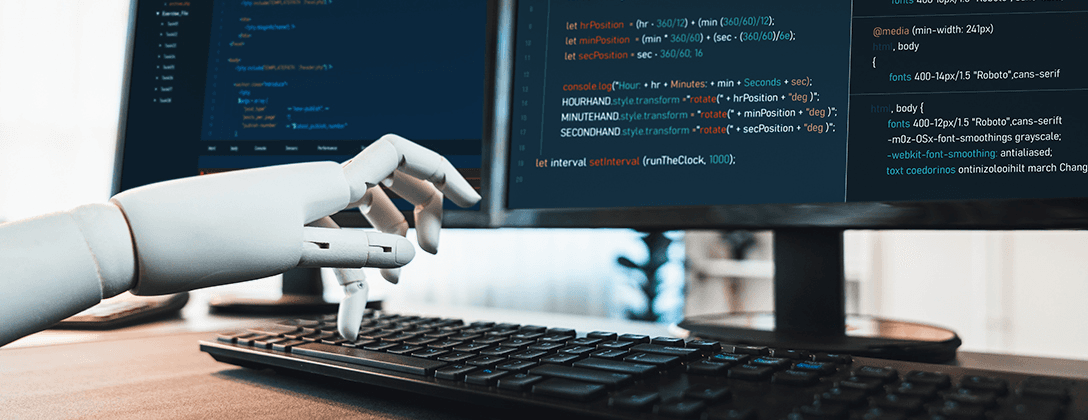
As organizations pursue greater efficiency and innovation, integrating Generative AI (Gen-AI) technologies into various processes has become a genuine differentiator. One of the most promising applications is the development of virtual assistants (VAs) that enhance the Software Development Life Cycle (SDLC) automating repetitive tasks, providing valuable insights, and facilitating collaboration in ways that significantly improve productivity and outcomes.
AI hasn't just accelerated one part of software development, it's touching every stage, from the first requirements conversation through post-launch monitoring.
What Are the Stages of the SDLC, and Where Does AI Fit?
The SDLC is a structured process spanning seven stages: Planning, Analysis, Design, Development, Testing, Deployment, and Maintenance. Each phase presents distinct challenges, and AI-enabled virtual assistants can add value differently at each one.
How Can AI Support the Planning Phase?
In the planning phase, project managers define objectives, scope, and timelines. AI-enabled VAs can assist by gathering requirements engaging with stakeholders through natural language processing to gather and clarify what's actually needed, similar to how tools like Jira's Smart Assist analyze previous tickets and suggest features based on past projects and by conducting feasibility analysis, analyzing historical data to assess the viability of proposed features and surface potential risks and benefits early.
How Can AI Support the Analysis Phase?
During analysis, understanding user needs and technical requirements is crucial. AI can automate documentation by summarizing meetings and extracting key points from discussions tools like Notion AI assist teams in organizing project notes effectively and support data analysis by analyzing user feedback and market trends, such as using Tableau integrated with AI to visualize user data and prioritize feature development.
How Can AI Support the Design Phase?
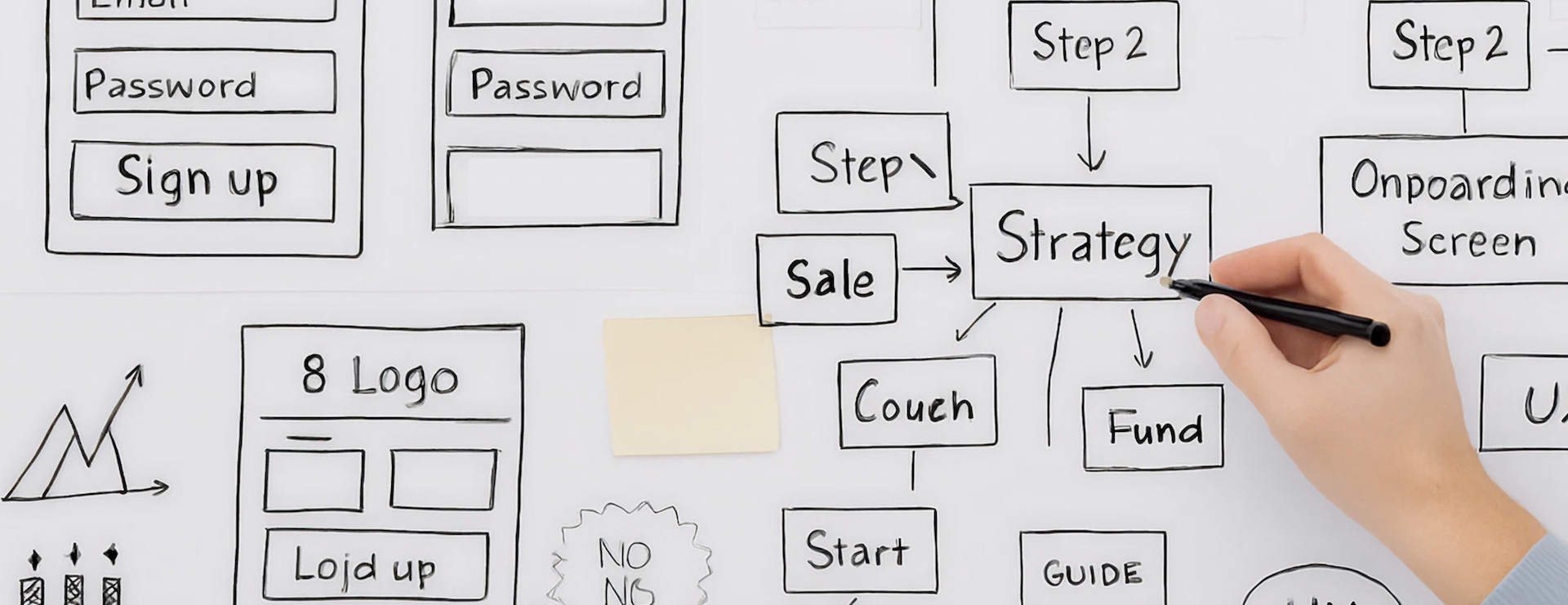
In the design phase, virtual assistants can streamline workflows through prototyping assisting in creating design prototypes based on user requirements, with tools like Figma offering AI-driven suggestions for design layouts to speed up the process and through design recommendations, leveraging machine learning to suggest design patterns based on past projects, similar to how Adobe XD incorporates AI to recommend design elements based on user input.
How Can AI Support the Development Phase?
The development phase involves substantial coding effort, and AI-enabled VAs can significantly impact productivity through code generation generating boilerplate code or completing coding tasks based on user prompts, with GitHub Copilot being a prime example that helps developers write code snippets efficiently and through real-time assistance, providing in-context suggestions and debugging help as developers work directly inside their IDE.
How Can AI Support the Testing Phase?
Testing is critical for ensuring software quality. AI contributes through automated testing generating test cases based on requirements and existing code to ensure comprehensive coverage and bug detection, analyzing code for common vulnerabilities and recommending fixes, similar to how SonarQube uses static code analysis to detect bugs and vulnerabilities during development.
How Can AI Support the Deployment Phase?
Once software is tested, deployment requires careful planning. AI VAs can help with release management assisting in managing deployment schedules and ensuring all team members are aligned, similar to how Octopus Deploy facilitates automated deployment processes with integrated communication features and with monitoring, tracking performance metrics and user feedback after deployment, in the way New Relic employs AI to analyze application performance in real time and alert teams to issues.
How Can AI Support the Maintenance Phase?
Post-deployment, software requires ongoing support. AI-enabled VAs can enhance maintenance through user support handling routine inquiries and troubleshooting, the way Zendesk's AI chatbot engages with users and provides instant responses, freeing up human resources and through continuous improvement, analyzing user interactions and performance data to identify areas for improvement, similar to how tools like Mixpanel offer AI-driven insights that guide product iterations based on actual user behavior.
What's notable across all seven stages is that AI isn't replacing any single role it's compressing the time between identifying a need and acting on it, at every step of the development lifecycle.
Key Takeaways
- AI's impact on the SDLC spans all seven stages, not just code generation during development
- Planning and analysis benefit from AI-assisted requirements gathering and documentation, catching gaps before they become expensive to fix later
- Code generation and real-time IDE assistance are the most visible Gen-AI use case, but testing and monitoring benefit just as directly
- Post-deployment maintenance user support and continuous improvement is often the most overlooked stage for AI investment, despite being where a product spends most of its life
- Organizations adopting AI across the full SDLC see compounding benefits, rather than isolated gains from a single tool in a single phase
Conclusion
AI virtual assistants are reshaping every phase of the Software Development Life Cycle from planning and analysis through design, development, testing, deployment, and maintenance. Organizations that adopt these tools thoughtfully, phase by phase, position themselves to significantly improve both the speed and quality of their software delivery. As AI capabilities continue to mature, the gap between teams that have integrated it across their SDLC and those that haven't is likely to keep widening.
Looking to integrate AI across your own software development lifecycle? Connect with our experts to explore the right approach for your organization.





Email: info@bajajtechai.com
Ph. No.: +91 9049001579 (Mon to Sat - 9 am to 6 pm IST)
